Preparing For Disasters – Volcanoes

Some information in this Preparing For Disasters – Volcanoes post is being shared thanks to a review copy provided at no charge.  All opinions are mine and mine alone.

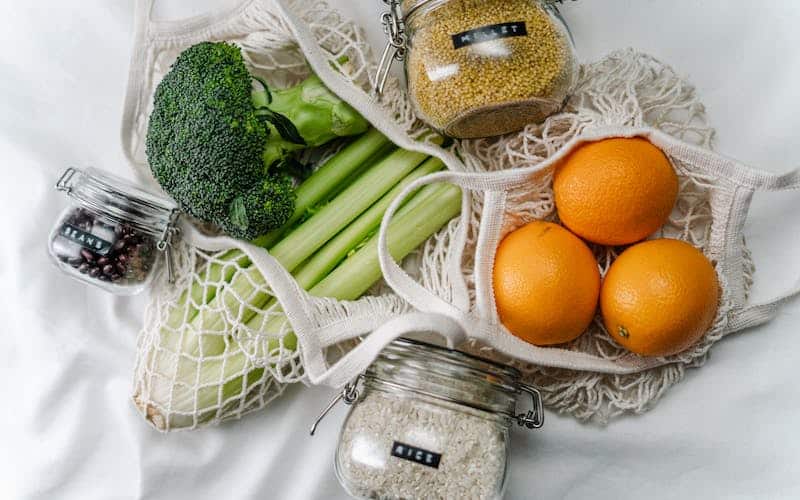
Preparing for disasters is something that my husband and I believe in strongly.  Since no one knows when a disaster will happen, it is important to spend time preparing for disasters during good times. If you wait until the disaster happens, it is likely too late. One of the ways that we have been preparing for disasters is by stockpiling food, medical equipment, bottled water, batteries and other things that we may not have access to during a disaster.

Remember, a disaster can affect you even if it doesn’t happen in your backyard. I live in Vermont.  While a hurricane in Connecticut probably won’t cause much damage to me personally, it can cause a break down in transportation.  This means that items I may expect to find in my grocery store may not be available when I need them.  If I haven’t spent time preparing for disasters by stocking up on food, I may find myself out of things on my grocery list that I can’t find in the stores.

Preparing for disasters - volcanoes

Preparing For Disasters – Volcanoes

Thankfully, there are no active volcanoes in Vermont.  I don’t need to worry about the immediate damage from lava or fumes from an erupting volcano near me.  Volcanoes can still cause damage and inconvenience for me. I’ve always been fascinated by the volcanoes in Iceland.  There are so many of them in such a small area and several are active.   The PBS Nova program Doomsday Volcanoes was fascinating.  It gives an overview of the eruption of Iceland’s Eyjafjallajokull volcano in 2010.  If you remember, this eruption caused a disruption of air travel that stranded thousands of travelers.  The ash from the volcano made visibility impossible and the planes could not fly.

Preparing for disasters volcanoes

Right now in Iceland, there is a volcano larger than the one that erupted in 2010 that is making noise.  Katla is ten times larger than Eyjafjallajokull and the result of her eruption will be much larger.   Scientists are working to understand what the impact would be of an eruption this large.  There will be implications for not only air travel but also for the global food supply and our climate.  Ash in the atmosphere will reduce the effects of the sun.  This will impact the plants that grow and how much food they product.  We will also feel the results of this eruption in a temperature drop that could last for years.

Is your family prepared for widespread inability to grow crops.  How would you handle a heating season that is two months longer than average? Or, if you are in a warmer climate, how would you handle having to heat your home when temperatures are much colder than normal?  Watch Doomsday Volcanoes and learn what scientists feel the result of one of these massive volcanoes erupting could be.

About Ellen Christian

Ellen is a busy mom of two teenagers who left the corporate world in 2008 to focus on a more eco-friendly life. She lives in rural Vermont where she juggles family, two blogs and a career in social media.

Download your FREE ebook with 504 Bath and Body Recipes HERE.

Comments

  1. Interesting! I am glad I do not live anywhere near iceland!

  2. The thought of a volcano really freaks me out, definitely don’t think I’d be prepared for that. We live in New England too and pretty glad we don’t seem to directly have them here. The hurricanes were a pretty big eye opener though, we have learned a lot!

  3. This is great to think about, especially if you live near a volcano. It always pays to be prepared. 

  4. Thankfully I don’t live near any volcanos either. I worry about hurricanes though.

Speak Your Mind

*